Garage Door and Locksmith Blog
Door Lock Sticking in Melbourne? Causes, Solutions & Expert Repair
Is your door lock sticking in Melbourne? Discover common causes, simple fixes, and when to call Pristine Garage Door Repair Melbourne for expert repair or replacement, ensuring smooth operation and lasting security for your Melbourne property.
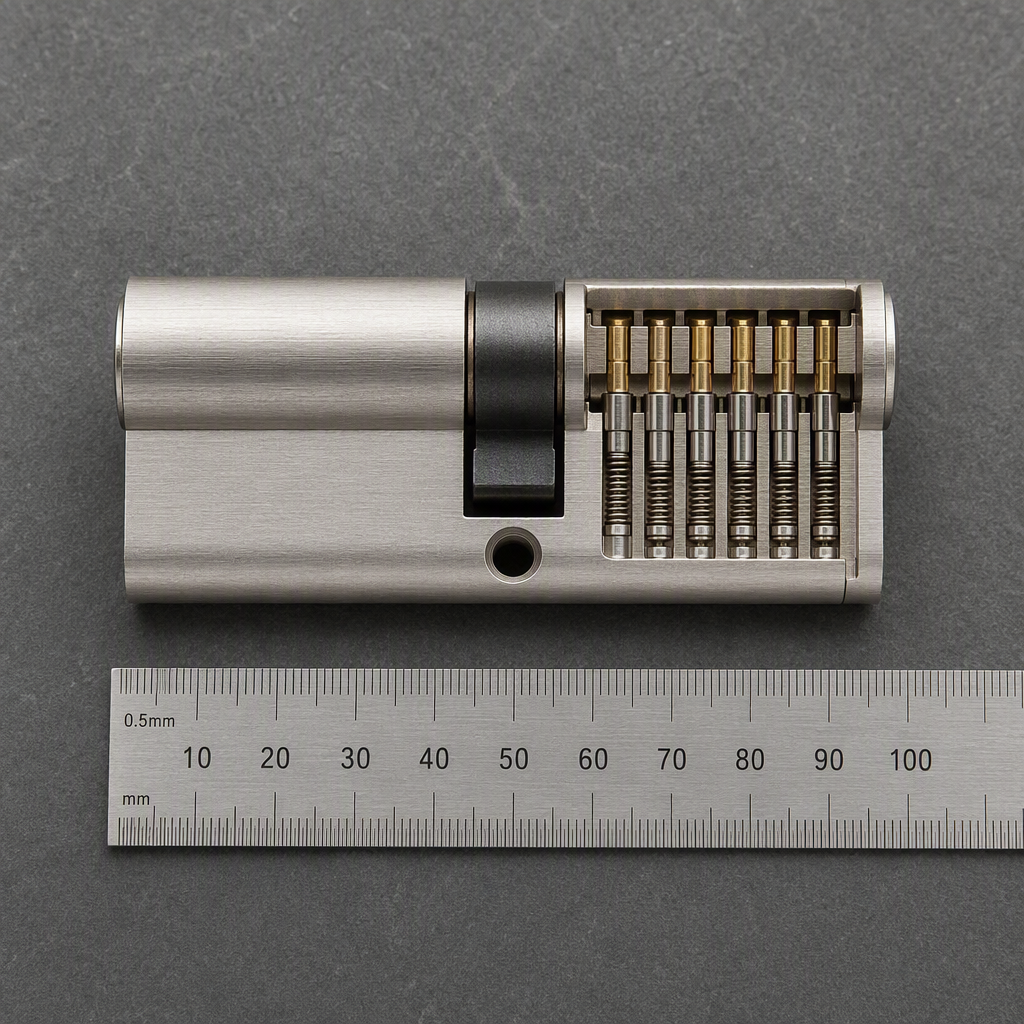
A door lock that sticks can be more than just an inconvenience; it can compromise your property's security, cause unnecessary frustration, and even lead to a complete lockout. In Melbourne, where varying temperatures and humidity can affect door hardware, encountering a door lock sticking issue is not uncommon. Whether it's the front door of your family home, an apartment unit, or the main entrance to your commercial premises, a malfunctioning lock demands attention.
Understanding why your lock is behaving this way is the first step toward a reliable solution. Is it a simple matter of lubrication, or does it signal a more significant problem with the lock mechanism or the door itself? Attempting a quick fix without proper diagnosis can sometimes exacerbate the issue, turning a minor snag into a costly repair or replacement. This article will guide you through the common culprits behind a sticking lock, offer straightforward maintenance tips, and explain when it’s time to call in a professional locksmith.
At Pristine Garage Door Repair Melbourne, we believe in "Precision at the Door." This means looking beyond the lock itself to assess the entire door system—frame, hardware, and usage patterns—to recommend the most effective and durable solution. Our goal is to restore smooth, secure operation to your entryways, matching hardware to your door's material, thickness, and aesthetic. If you're experiencing a door lock sticking problem, read on to understand the underlying issues and how to achieve lasting reliability for your Melbourne property.
Why Your Door Lock Might Be Sticking: Common Issues
A door lock sticking problem rarely appears without a cause. Identifying the root issue is crucial for an effective resolution. Here are some of the most common reasons you might find your Melbourne door lock difficult to operate:
Dust, Debris, and Corrosion Buildup
Over time, dust, dirt, and other environmental debris can accumulate inside the lock cylinder and mechanism. This grime acts as an abrasive, hindering the smooth movement of internal components. In Melbourne's diverse environments, from busy CBD streets to coastal suburbs, locks can be exposed to varying levels of particulate matter. Furthermore, exposure to moisture, particularly in older properties or those with less protected entryways, can lead to corrosion. Rust or oxidisation on internal metal parts can significantly impede a lock's function, making it stiff or entirely unresponsive.
Misalignment of the Latch or Bolt
Perhaps the most frequent cause of a door lock sticking is a misalignment between the lock's latch or deadbolt and the strike plate on the door frame. This can happen for several reasons:
- Door Sagging or Shifting: Over time, doors can settle, sag, or warp due to changes in humidity, temperature, or foundation movement. This shifts the door's position relative to the frame.
- Worn Hinges: Loose or worn door hinges allow the door to drop slightly, preventing the bolt from lining up perfectly with the strike plate hole.
- Loose Strike Plate: If the strike plate itself becomes loose or dislodged, it won't correctly receive the latch or bolt, causing resistance.
When the components don't align, force is often applied, which can further wear down the lock and frame.
Worn or Damaged Internal Components
Locks are mechanical devices with numerous moving parts. With consistent use, especially in high-traffic areas like commercial premises or busy family homes, these components will naturally wear down. Springs can lose tension, pins can become corroded or deformed, and the internal cylinder can degrade. A key that feels rough when turning or doesn't fully engage the bolt can indicate internal wear. This is particularly common with older locks that have seen decades of service without proper maintenance.
Improper Lubrication or Use of Wrong Lubricant
Many people believe that any oil will fix a sticking lock. However, using the wrong type of lubricant, such as WD-40, can actually attract more dust and debris, turning the internal mechanism into a sticky, abrasive paste. Locks require specific, often graphite-based, lubricants that won't gum up over time. Lack of lubrication altogether can also cause metal-on-metal friction, leading to stiffness and accelerated wear.
Environmental Factors and Door Material Changes
Melbourne's climate, with its warm summers and cool, often damp winters, can impact door materials like timber. Wood doors can expand and contract with humidity changes, altering the door's fit within the frame and consequently affecting lock alignment. Metal doors, while less prone to warping, can still be affected by temperature extremes causing slight expansion or contraction of the door or frame components, potentially leading to a door lock sticking issue.
Understanding these common issues is the first step toward diagnosing your specific problem and choosing the right course of action, whether it's a simple adjustment or professional intervention.
Simple Checks and Maintenance for Sticking Locks
Before seeking professional help for a door lock sticking in Melbourne, there are several simple checks and maintenance steps you can perform. These can often resolve minor issues and help you identify if the problem is more serious.
Visual Inspection of the Door and Lock
Start with a thorough visual inspection.
- Door Alignment: Stand back and observe if the door hangs squarely in its frame. Are there uneven gaps around the edges? Open and close the door slowly, noting any binding or scraping.
- Hinges: Check the door hinges. Are they loose? Are the screws tight? Loose hinges are a common culprit for door sagging and subsequent lock misalignment. Tighten any loose hinge screws.
- Strike Plate: Examine the strike plate on the door frame. Is it securely fastened? Are the screws tight? Look for any signs of wear around the latch or bolt hole, indicating that the lock components are scraping against the plate rather than entering smoothly.
- Lock Hardware: Inspect the lock itself. Are the handles or knobs loose? Are there any visible cracks or damage to the lock body? For deadlatch and deadbolt Melbourne, check that they retract and extend fully when the door is open.
Cleaning and Lubrication
Often, dirt and lack of lubrication are the primary reasons for a door lock sticking.
- Clean the Keyway: Use compressed air or a fine, dry brush to clear any debris from the keyway (where you insert the key). You might be surprised by how much lint or dirt can accumulate here.
- Lubricate the Mechanism: For internal lock mechanisms, a small amount of graphite powder lubricant is generally recommended. Insert the nozzle into the keyway and give a short puff. Insert and remove your key several times, turning it to distribute the graphite. Avoid using oil-based lubricants like WD-40, as they can attract more dust and create a gummy residue over time, worsening the problem. If you must use a liquid, opt for a silicone-based spray designed for locks.
Tightening Screws and Adjusting Components
Loose screws can significantly impact a lock's performance.
- Lock Body Screws: On the edge of the door, where the latch or bolt extends, you'll typically find two screws holding the lock's body in place. Ensure these are tight.
- Handle/Knob Screws: Check the screws that secure the handle or knob to the door. If these are loose, the entire mechanism can shift, causing issues.
- Strike Plate Screws: Tighten the screws holding the strike plate to the door frame. If the plate appears to be slightly out of alignment, you might be able to subtly adjust its position by slightly loosening the screws, moving the plate a fraction, and then re-tightening. In some cases, if the original holes are stripped, longer screws or even wood filler might be necessary to secure it properly.
These steps are often sufficient for minor door lock sticking issues. However, if the problem persists, it may indicate a deeper mechanical fault or significant misalignment that requires professional attention. For more complex issues like a front door lock not turning, expert diagnosis is often the safest and most effective path.
Professional Repair Techniques for Smooth Operation
When simple checks and maintenance don't resolve a door lock sticking issue, or if you suspect a more complex problem, it's time to consider professional locksmith services. At Pristine Garage Door Repair Melbourne, our approach extends beyond quick fixes, focusing on precision and long-term reliability. We understand that a door system is an integrated unit, and a sticking lock often indicates underlying issues with the door, frame, or hardware.
Detailed Diagnosis and Assessment
Our process begins with a comprehensive diagnosis. Instead of just focusing on the lock, we assess the entire entryway:
- Door Condition: We evaluate the door for warping, swelling, or structural integrity issues that might affect alignment.
- Frame Analysis: The door frame is checked for stability, squareness, and any signs of movement or damage that could impact the strike plate's position.
- Hardware Inspection: We meticulously inspect all existing hardware – hinges, lock mechanism (whether it's a deadbolt, deadlatch, or passage set), and strike plates – for wear, damage, or improper installation. This holistic assessment allows us to pinpoint the exact cause of the door lock sticking, ensuring that the solution addresses the root problem, not just the symptom.
Precise Adjustment and Calibration
Many door lock sticking issues stem from subtle misalignments. Our locksmiths are adept at making precise adjustments to restore smooth operation. This can include:
- Re-aligning Strike Plates: Often, repositioning the strike plate by a millimeter or two can make a significant difference. This may involve carefully enlarging the strike plate opening or chiseling the frame to ensure the bolt enters cleanly without friction.
- Adjusting Hinges: Tightening, shimming, or replacing worn door hinges can bring a sagging door back into perfect alignment with its frame, resolving the sticking issue caused by misalignment.
- Lubrication with Specialized Products: We use professional-grade, non-gumming lubricants designed for lock mechanisms, ensuring smooth internal operation without attracting future dirt buildup.
Component Repair or Replacement
If internal components are worn or damaged, repair or replacement may be necessary.
- Internal Mechanism Overhaul: For high-quality locks, it may be possible to disassemble, clean, repair, or replace specific internal parts like springs, pins, or cylinders. This can extend the life of the lock without requiring a full replacement.
- Lock Repair Melbourne: Restoring Functionality to Your Door Hardware: Our experts determine if a lock is suitable for repair. This often saves you the cost and effort of a full replacement, especially for unique or integrated architectural hardware.
- Key Issues: If the problem lies with the key (e.g., a bent or worn key), we can cut new keys to precise specifications, ensuring they operate the lock smoothly. Sometimes, a rough-turning key is the primary cause of a stiff lock. For issues where a front door lock not turning is the problem, a professional assessment can quickly identify if it's the key or the internal mechanism.
Our aim is always to provide the most effective and durable solution. Sometimes, a repair is sufficient, while at other times, a complete lock replacement Melbourne may be recommended if the existing hardware is at the end of its service life or is compromising security. This commitment to precision ensures your door hardware functions flawlessly and reliably for years to come.
Preventing Future Lock Sticking in Melbourne Properties
Addressing a current door lock sticking issue is important, but preventing its recurrence is equally vital for the longevity and security of your Melbourne property. Proactive measures and informed choices about your door hardware can save you time, frustration, and potential costs down the line.
Regular Maintenance Schedule
Just like any mechanical system, door locks benefit from routine maintenance.
- Annual Cleaning and Lubrication: Make it a habit to clean and lubricate your locks once a year. A light dusting with graphite powder or a silicone-based lock spray can significantly reduce friction and prevent dust accumulation. This is especially beneficial for residential locksmith Melbourne clients, ensuring home security remains uncompromised.
- Check Screws and Hinges: Periodically inspect and tighten all visible screws on your door handles, lock body, strike plate, and especially your door hinges. Loose components contribute significantly to misalignment and premature wear.
- Monitor Door Movement: Pay attention to how your door opens and closes. If it starts to bind, scrape, or sag, address these issues promptly. Early detection can prevent a minor alignment problem from escalating into a severe door lock sticking incident.
Choosing Quality Architectural Hardware
The quality of your door hardware plays a significant role in its durability and resistance to sticking.
- Invest in Reputable Brands: Opt for locks and hardware from well-known manufacturers. These products are typically built with higher-grade materials and more precise engineering, leading to smoother operation and a longer lifespan.
- Material Compatibility: Consider the environment. For properties exposed to the elements or high humidity, choosing corrosion-resistant materials (e.g., stainless steel, marine-grade brass) can prevent issues related to rust and material degradation.
- Australian Standards: Ensure any new hardware meets relevant Australian Standards. This guarantees a certain level of performance and durability. For more information, refer to our guide on Australian Standard Door Hardware: Precision & Compliance for Melbourne Properties.
Professional Door Lock Installation Melbourne: Precision for Every Entryway
Improper installation is a leading cause of premature lock failure and sticking issues.
- Expert Fitting: A professional installation ensures that the lock, door, and frame are perfectly aligned. This precision prevents undue stress on the lock mechanism and the door itself.
- Correct Specification: An expert locksmith will specify hardware that is appropriate for your door's material, thickness, and intended daily usage. For instance, a heavy-duty commercial door requires different hardware than a light internal residential door.
- Addressing Environmental Factors: During installation, an experienced locksmith can account for potential environmental factors in Melbourne, such as expected timber expansion/contraction, and ensure the lock functions optimally year-round. This is crucial for both residential and commercial applications, from a standard apartment door lock in Melbourne to complex office systems.
By adopting these preventative measures and investing in quality hardware and professional installation, you can significantly reduce the likelihood of experiencing a door lock sticking issue and enjoy reliable, smooth-operating entryways for your Melbourne property.
Frequently Asked Questions About Sticking Door Locks
Having a door lock sticking can raise several questions. Here are some common queries from Melbourne property owners and our expert answers.
Why is my deadlatch or deadbolt sticking?
Deadlatches and deadbolts are often the most robust locks on a door, but they are also highly susceptible to misalignment with the strike plate. If your deadlatch or deadbolt is sticking, it's frequently due to the door sagging, worn hinges, or the door frame shifting, preventing the bolt from entering the strike plate opening smoothly. Dust and grime buildup within the bolt mechanism can also cause internal friction, making it difficult to turn the key or thumb-turn.
Can I fix a sticking lock myself?
For minor issues, yes, you can. Simple DIY fixes like cleaning the keyway, lubricating with graphite powder, and tightening loose screws on the door hinges, lock body, or strike plate can often resolve a door lock sticking problem. However, if the issue persists after these steps, or if you suspect internal damage, severe misalignment, or problems with the door frame, it's best to call a professional locksmith. Incorrect attempts to fix a complex problem can cause further damage.
When should I call a professional locksmith for a sticking lock?
You should contact a professional locksmith if:
- Your DIY attempts (cleaning, lubricating, tightening screws) don't resolve the sticking issue.
- The key is difficult to turn or gets stuck in the lock.
- The door has visibly dropped or significantly warped.
- There's visible damage to the lock mechanism or the door frame.
- You're uncomfortable disassembling any part of the lock.
- The lock is integral to your property's main security, such as a front door or business entrance. A locksmith can accurately diagnose the problem and provide a durable solution.
Is it better to repair or replace a sticking lock?
The decision to repair or replace depends on the lock's condition, age, quality, and the cause of the sticking.
- Repair is often suitable if: The lock is relatively new, of high quality, and the issue is due to minor wear, debris, or misalignment. A professional locksmith can often restore functionality with precise adjustments or by replacing specific internal components.
- Replacement is usually recommended if: The lock is old, heavily worn, damaged beyond economical repair, or if it's a lower-quality lock prone to recurring issues. Sometimes, a replacement is also an opportunity to upgrade your security or aesthetics. Our guide on Lock Repair vs. Lock Replacement Melbourne: What's Best for Your Security? provides a more detailed breakdown to help you make an informed choice.
Conclusion
A door lock sticking can be a significant inconvenience, hinting at underlying issues that could compromise your security. While simple home maintenance steps like cleaning and lubrication can often provide a temporary fix, recurring problems or stubborn malfunctions typically point to more complex mechanical wear, misalignment, or structural issues within the door system. Ignoring these signals can lead to more severe damage, diminished security, or even a complete lockout.
At Pristine Garage Door Repair Melbourne, our "Precision at the Door" philosophy means we don't just fix the lock; we assess the entire entryway. From the door's material and thickness to its frame and daily usage, we consider all factors to provide a tailored, durable solution. Whether it's a residential property in East Melbourne or a commercial office in the CBD, our expertise in architectural door hardware ensures that your lock issues are resolved with the utmost care and professionalism. We aim to restore not just function, but also confidence in your door's security and smooth operation.
Don't let a door lock sticking undermine your peace of mind. For a professional assessment, precise repair, or expert advice on upgrading your door hardware, our team is ready to assist. Contact Pristine Garage Door Repair Melbourne today for reliable solutions that stand the test of time.