Garage Door and Locksmith Blog
Front Door Lock Not Turning? Diagnosis & Repair in Melbourne
Experiencing a front door lock not turning in Melbourne? Understand common causes, troubleshooting steps, and expert lock repair solutions. Pristine Garage Door Repair Melbourne offers precise diagnosis and tailored hardware solutions for your home.
Few things are as frustrating, or as concerning, as a front door lock not turning. Whether you're trying to lock up for the night or gain entry to your Melbourne home, a stubborn lock can quickly become a significant security and convenience issue. This common problem affects residential properties across Melbourne, from historic townhouses to modern apartments, and often indicates underlying hardware wear or misalignment. While some issues might be simple to resolve, others require a precise diagnosis and professional intervention to ensure your door's security and functionality are fully restored.
At Pristine Garage Door Repair Melbourne, we understand that a door lock is more than just a mechanism; it's an integral part of your home's architecture and security. Our approach to addressing a front door lock not turning extends beyond a quick fix, focusing on a comprehensive assessment of your entire door system. We consider the door material, frame integrity, and the daily demands placed on your hardware, ensuring any repair or replacement enhances both security and the aesthetic of your entryway. This article will guide you through understanding why your lock might be failing, initial troubleshooting steps, and when it’s essential to call a specialist for expert lock repair Melbourne.
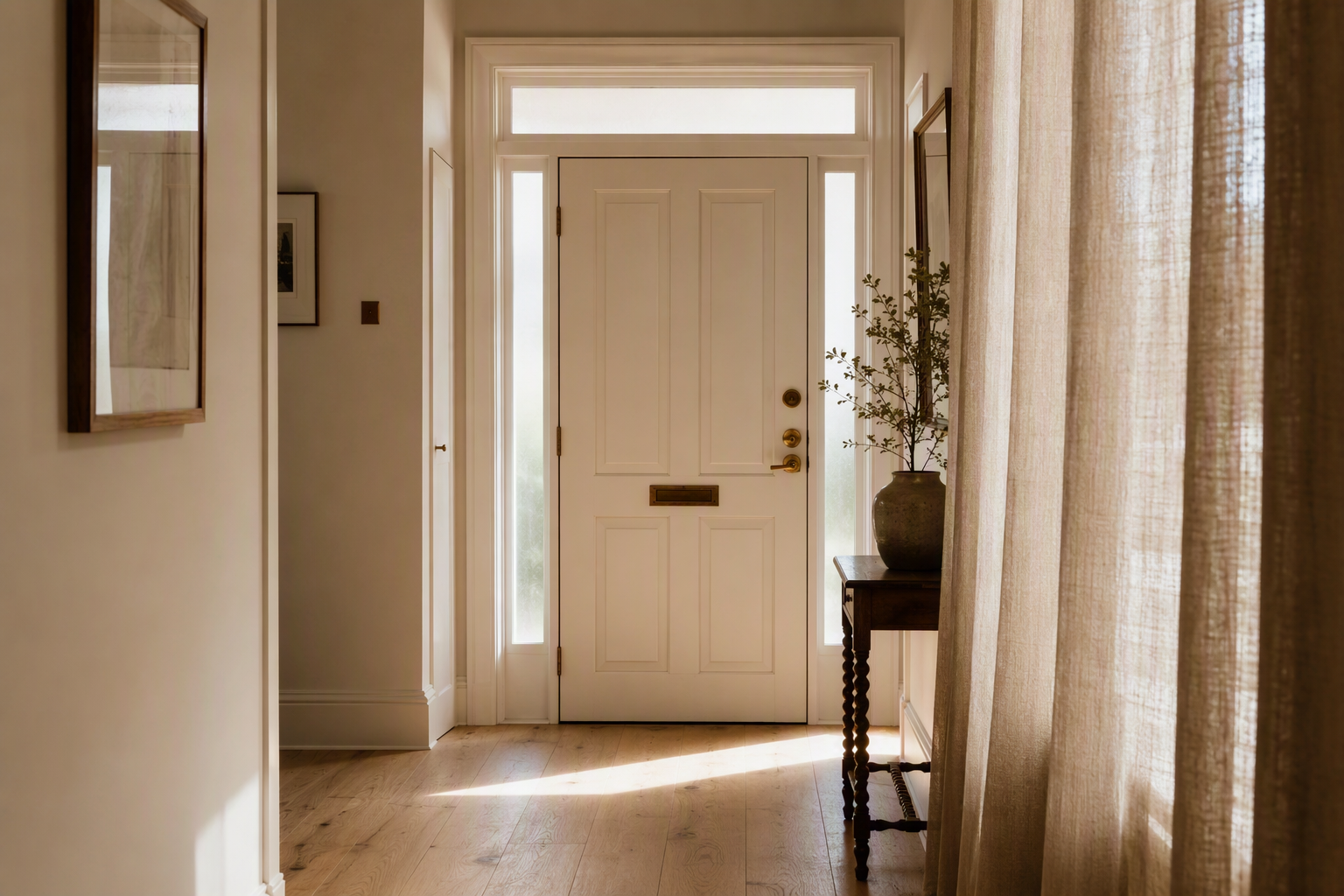
Understanding Why Your Front Door Lock Won't Turn
A front door lock that refuses to turn can stem from various issues, each requiring a specific understanding to diagnose correctly. Modern and traditional door locks, while seemingly simple from the outside, comprise intricate components that must work in harmony. When one part fails or falls out of alignment, the entire mechanism can seize.
The Anatomy of a Door Lock and Common Failure Points
Most residential door locks, whether a deadbolt, doorknob, or lever handle, operate on a principle of internal pins, springs, and tumblers that align when the correct key is inserted, allowing the bolt to retract or extend. Common failure points include:
- Internal Component Wear: Over time, consistent use can lead to the erosion or fatigue of metal components within the lock cylinder or gearbox. Springs can weaken, pins can stick, or tumblers can become chipped, preventing the key from fully engaging the mechanism.
- Corrosion and Dirt Buildup: Melbourne's varied climate, particularly in coastal or humid areas, can accelerate corrosion of internal metal parts. Dust, grime, and even tiny insect debris can accumulate inside the lock, gumming up the works and restricting movement.
- Key Problems: A bent, broken, or excessively worn key might not correctly align the lock's internal pins, making it impossible to turn the cylinder. Even a copy that isn't perfectly cut can cause problems.
- Misalignment: The lock mechanism itself might be perfectly fine, but if the door or frame has shifted (due to settling, moisture changes, or impact), the latch or deadbolt might not align with the strike plate. This external pressure can prevent the bolt from moving freely, making the lock seem jammed.
- Actuator or Spindle Issues: For lever handles or doorknobs, the spindle that connects the exterior and interior mechanisms can become stripped, bent, or disconnected, causing the handle to turn without engaging the latch.
Understanding these foundational issues is the first step in diagnosing why your front door lock not turning is causing you grief. Often, the cause isn't immediately obvious and requires a systematic approach to identify.
Common Causes and Initial Troubleshooting Steps
Before considering professional intervention, there are several common issues you can investigate and simple troubleshooting steps you can take if your door lock sticking or simply won't turn.
Key Issues: Inspecting Your Key
Start with the simplest potential culprit: your key.
- Inspect the Key: Is your key bent, worn, or damaged? Compare it to a spare key, if you have one. A slight bend can prevent it from fully entering the cylinder or aligning the internal pins correctly.
- Try a Spare Key: If you have a duplicate key, try using that. If the spare works, your primary key is likely the problem, and you'll need a new, precisely cut replacement.
- Ensure Full Insertion: Make sure the key is fully inserted into the lock cylinder. Sometimes, debris in the keyway can prevent full insertion.
Lubrication & Dirt: Cleaning the Mechanism
Over time, dust, dirt, and old lubricants can create a gummy residue that hinders movement.
- Use a Suitable Lubricant: Apply a small amount of graphite-based lubricant or a silicone-based spray directly into the keyway and around the bolt mechanism. Avoid using oil-based lubricants like WD-40, as they can attract more dirt and worsen the problem over time.
- Work the Key: Insert the key and gently work it in and out, turning it slightly. This helps distribute the lubricant and dislodge any debris. Repeat several times.
- Clean the Key: After lubricating, wipe your key clean to remove any loosened grime. Reinsert and try turning again.
Misalignment & Wear: Checking Door and Frame
Sometimes, the lock itself is not the primary issue, but rather the door or frame.
- Check Door Alignment: Open the door and try to operate the lock. If it works smoothly when open but not when closed, the issue is likely with the door alignment or the strike plate. Look for signs of the door sagging or shifting on its hinges.
- Inspect the Strike Plate: Examine the strike plate on the door frame where the latch and deadbolt engage. Are there scuff marks or damage indicating that the bolt isn't entering smoothly? Sometimes, a slightly loose strike plate can cause issues. You might be able to slightly adjust the strike plate or its position by tightening screws or gently widening the opening with a file.
- Examine Hinges: Loose or worn hinges can cause the door to sag, leading to misalignment. Tighten any loose hinge screws. If the hinges are significantly worn, they might need replacement.
These steps can often resolve issues related to a door lock sticking or general stiffness. However, if the lock remains stubborn, the problem might be more complex, requiring a professional assessment. For more insights into restoring your lock's function, consider reading our detailed guide on Lock Repair Melbourne: Restoring Functionality to Your Door Hardware.
Professional Diagnosis and Repair Solutions
When initial troubleshooting doesn't resolve a front door lock not turning, it’s time to seek expert help. A professional locksmith possesses the specialized tools and knowledge to accurately diagnose the problem and implement a lasting solution. Our approach at Pristine Garage Door Repair Melbourne is always to assess the entirety of your door's hardware system, ensuring precision and reliability.
Comprehensive Assessment
Our first step is always a thorough, non-destructive assessment. We don't just look at the lock cylinder; we examine the entire door system:
- Door Material and Condition: The type of door (timber, steel, composite) and its condition can influence hardware performance.
- Frame Integrity: We check the door frame for signs of warping, damage, or structural issues that might be contributing to misalignment.
- Existing Hardware: A detailed inspection of the lock's internal and external components, hinges, and strike plates reveals wear patterns, corrosion, and potential manufacturing defects.
This diagnostic phase is critical for understanding the root cause, rather than just treating the symptom. We use our expertise to determine if the issue is a worn spindle, a faulty cam, seized tumblers, or a deeper structural problem affecting the door's function.
Repairing Malfunctions
Once the diagnosis is complete, we outline the most effective repair strategy. Our focus is on restoring your existing hardware to reliable operation where possible.
- Component Replacement: Often, a specific internal part, such as a spring, cam, or follower, can be replaced without needing to change the entire lock. This precision repair maintains the integrity of your original hardware and can be more cost-effective.
- Key Extraction and Repair: If a key has broken off inside the lock, we can skillfully extract it and, if necessary, repair any damage to the cylinder.
- Re-keying: If the internal components are damaged beyond simple repair, but the external housing is sound, re-keying the lock to a new set of pins and a new key can sometimes be a viable solution, offering a fresh start for the lock's mechanism.
Our team takes pride in meticulous lock repair Melbourne services, ensuring that once repaired, your lock operates smoothly and securely for years to come.
Considering a Lock Replacement
There are instances where repair might not be the most practical or secure option. If the lock is severely damaged, excessively worn, or if an older lock offers insufficient security for your Melbourne home, replacement becomes the advisable path.
- End of Service Life: Like any mechanical device, locks have a service life. Continuous wear and tear, especially on high-traffic front doors, can lead to irreversible damage.
- Enhanced Security: Replacing an older, less secure lock with a modern, Australian Standard-compliant model can significantly upgrade your property's protection.
- Aesthetic Upgrade: A lock replacement can also be an opportunity to select hardware that better complements your door's design and your home's architectural style, transforming a functional necessity into a design feature.
Deciding between repair and replacement can be complex. For a deeper understanding of these options and their implications, we recommend exploring our article on Lock Repair vs. Lock Replacement Melbourne: What's Best for Your Security?. We also have detailed information about Lock Replacement Melbourne: Upgrading Your Security with New Hardware.
When to Call a Melbourne Locksmith for a Non-Turning Lock
While initial troubleshooting can sometimes resolve minor issues, there are clear indicators that professional assistance is required for a front door lock not turning. Attempting complex repairs without the right tools or expertise can lead to further damage, compromise security, or even render the lock completely inoperable.
Beyond DIY: Recognizing Complex Issues
It's time to call a professional if:
- The Key Breaks Inside: A broken key in the lock is a job for a specialist. Improper removal can damage the cylinder permanently.
- Lock is Completely Seized: If the key won't turn at all, even after lubrication, or the bolt mechanism is completely stuck, it often indicates significant internal damage.
- Repeated Problems: If you're constantly experiencing a door lock sticking or struggling to turn, it suggests an underlying issue that needs a lasting solution, not just temporary fixes.
- Security Concerns: If you suspect tampering or a failed break-in attempt has damaged your lock, immediate professional assessment is crucial to restore security.
For homeowners and apartment residents in Melbourne, knowing when to call an expert is key to maintaining both convenience and peace of mind. Our Residential Locksmith Melbourne: Securing Your Home with Precision services are tailored for such situations, ensuring your home is always well-protected.
The Pristine Garage Door Repair Melbourne Approach: Precision at the Door
At Pristine Garage Door Repair Melbourne, our brand philosophy of "Precision at the Door" means we approach every lock issue with meticulous attention to detail. We are not just emergency trades; we are architectural door-hardware specialists.
- Holistic Assessment: We don't simply replace parts; we assess the interplay between the door, frame, and hardware. This ensures that any solution integrates seamlessly and performs optimally within its specific context.
- Hardware Matched to Purpose: We recommend hardware that is not only secure but also appropriate for the door material, thickness, and expected daily use. For example, a heavy timber door requires different considerations than a modern apartment door.
- Design-Conscious Solutions: We understand that door hardware is also a design element. Our recommendations consider finish and handle style, ensuring aesthetic harmony with your property.
Architectural Hardware Expertise
Choosing the right partner for your lock issues means selecting a team with genuine expertise. We pride ourselves on providing not just a service, but a tailored solution that reflects our deep understanding of architectural hardware. If you're wondering How to Choose a Locksmith in Melbourne: Your Guide to Trustworthy Service, our commitment to precision, quality, and comprehensive assessment sets us apart.
Frequently Asked Questions
Why is my front door lock hard to turn even with the correct key?
Difficulty turning your front door lock can be caused by various factors, including a worn or bent key, accumulated dirt and grime inside the lock cylinder, insufficient lubrication, or misalignment between the lock bolt and the strike plate on the door frame. Internal wear of the lock's components can also cause stiffness over time.
Can I fix a sticky door lock myself?
For minor issues like dirt buildup or lack of lubrication, you can often improve a sticky door lock yourself by cleaning the keyway and applying a graphite or silicone-based lubricant. However, if the issue persists, the key breaks, or the lock is completely seized, it's advisable to call a professional locksmith to avoid further damage.
How do I know if I need a lock repair or a full lock replacement?
A professional locksmith can determine this after a thorough assessment. Generally, if only a specific internal component is worn or broken, a repair might be sufficient. However, if the lock body is extensively damaged, severely corroded, offers insufficient security for your needs, or if the cost of repair approaches the cost of a new, higher-quality lock, a full replacement is often recommended for long-term security and reliability.
How much does it cost to fix a front door lock in Melbourne?
The cost of fixing a front door lock in Melbourne varies widely depending on the complexity of the issue, whether it requires repair or replacement, and the type of lock involved. Minor adjustments or lubrication might incur a service call fee, while internal component replacement or a full lock replacement will be more substantial. It's best to get a diagnosis and a detailed quote from a reputable locksmith.
Can a locksmith fix a front door lock if the key is broken inside?
Yes, professional locksmiths have specialized tools and techniques to safely extract broken keys from a lock cylinder without damaging the mechanism. After extraction, they can assess if the lock requires further repair or if a new key is all that's needed.
Conclusion
A front door lock not turning is a clear signal that your property's security and accessibility are compromised. While initial troubleshooting steps can sometimes offer a temporary reprieve, many issues require the precise hand and expert knowledge of a professional locksmith. In Melbourne, where architectural diversity is a hallmark, ensuring your door hardware functions flawlessly and complements its surroundings is paramount.
At Pristine Garage Door Repair Melbourne, our commitment goes beyond fixing a problem; we deliver "Precision at the Door" by offering solutions that are meticulously diagnosed, expertly repaired, or thoughtfully replaced. We take the time to understand the unique characteristics of your door, frame, and existing hardware, ensuring that our recommendations for lock repair Melbourne or replacement are tailored to your specific needs and aesthetic preferences. Don't let a stubborn lock compromise your peace of mind. For a professional assessment and reliable service for your residential or commercial property, contact Pristine Garage Door Repair Melbourne today.
Contact us for a precise diagnosis and solution: Phone: 03 6316 5109 Email: info@pristinelocksmithservice.com Visit us at: 211 La Trobe St, Melbourne VIC 3000